Filed under: General Health, Nutrition
A few months ago I wrote a controversial article for PN called Is nutrient timing dead?: And does “when” you eat really matter?
It generated some buzz, to say the least. The answer to the question is of course both yes and no. It all depends on the context.
Some people loved it, as they felt it provided some newfound freedom into their diet. No longer did they have to worry so much about meal timing. Now they could just focus on how much they are eating, and the quality of that food, and not stress about exactly when they are eating it.
Other people were furious, as they felt that the PW/AT distinction had come to define PN, and that we were just sweeping that away. This actually was not true. We were just adding more flexibility.
If the PW/AT distinction and framework works for you, then by all means please continue with it. YOUR results are ultimately what matters, not my theoretical meanderings. To me, that is what defines PN – that it is all about what works for YOU, not what we think will work for you. It is only the outcome that matters to us.
However, if you were someone who felt constrained by the PW/AT framework (as I did), then we offered a new set up for you (our hand-sized portion guidelines) that was equally as effective physiologically, and that many found to be much easier to implement and manage.
Neither approach is definitely right or wrong. It all depends on what works best for you.
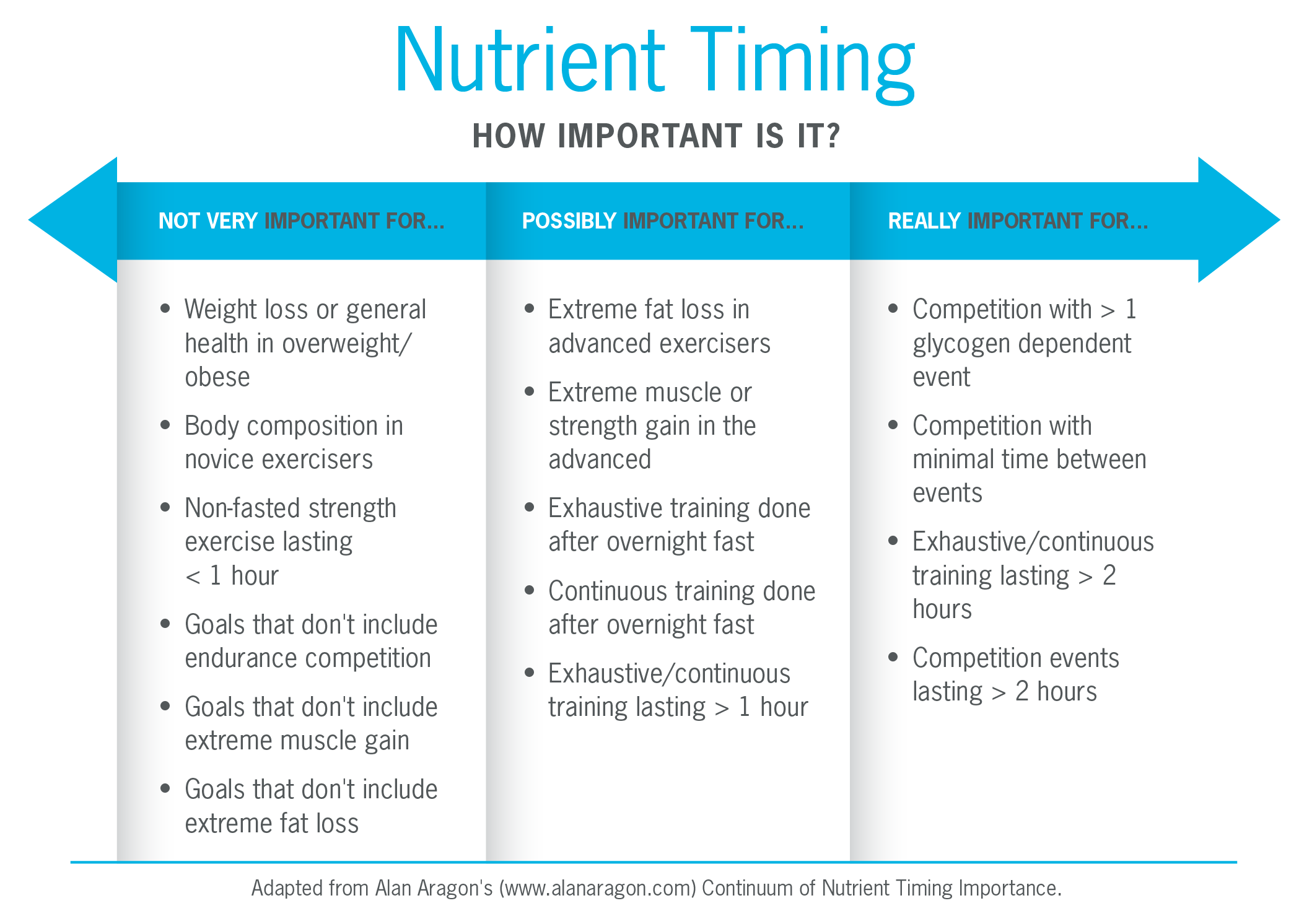
And the exact importance of timing your meals also depends on the context, as I alluded to earlier. This is especially true in respect to timing your intake around your training (which I covered here). This is a great visual depiction of what I am talking about:
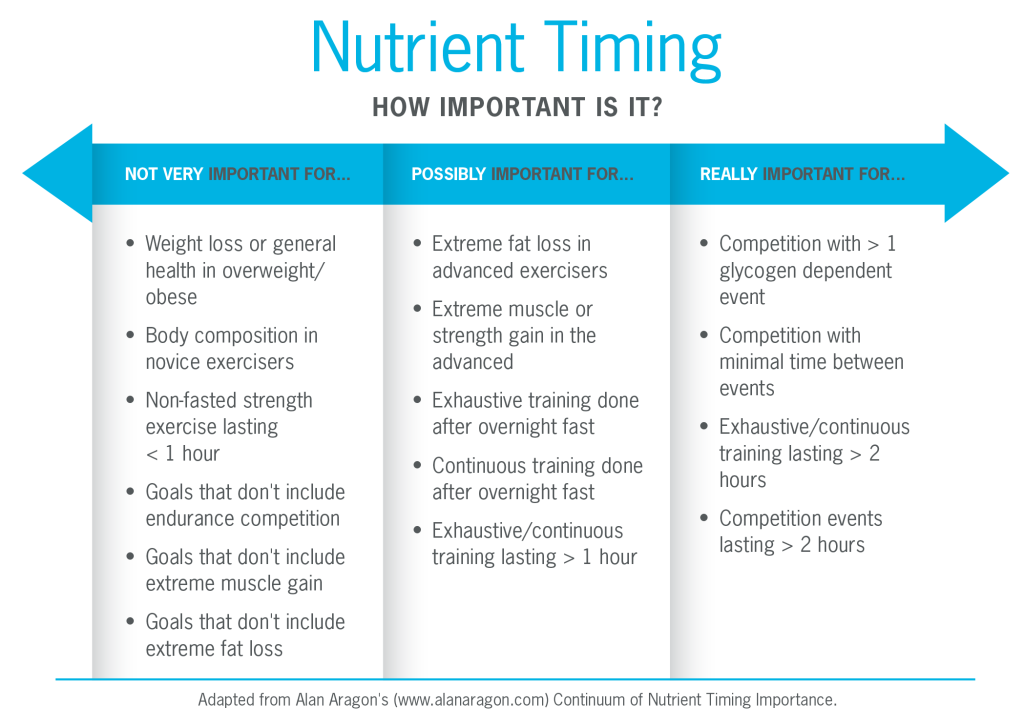
As you can see, the need to worry about timing around activity all depends the conditions of that activity, and your goals. For most of us, it is not terribly important. For others, it is far more so.
This is true even for having a protein shake post-workout. You could, as it is not going to hurt, but it isn’t really necessary in most cases. You are ok to wait until you drive home to have something. It could be a Super Shake, or it could be a whole food meal. The choice there is yours.
That was one of the most research-heavy articles I have ever written for PN, and I worked on it for weeks to get it all right. In a similar vein, Examine.com has just released an incredible new resource for people, called their Stack Guides.
They recognize that things are not always strictly black and white – that there is nuance and many shades of gray. To that end, they created these tremendous resources for people who are looking to take supplements for specific contexts – say to increase muscle mass, lose fat, or improve cardiovascular health or blood sugar control. Rather than trying to research individual supplements, they have put together resources for the best combination of options to help you reach your goals.
They are an independent, 100% transparent and unbiased source. They don’t sell any supplements, so their recommendations are all based on sound science, not them trying to make a quick buck.
Each stack also includes:
- Stacks catered not only to a goal (ie. fat loss) but also demographics (ie. for people who cannot easily tolerant stimulants)
- Nonsupplemental tips to help maximize efficacy
- Practical considerations when dealing with the components, like how to easily avoid minor side-effects of inconveniences
- Safety information on possible drug-drug interactions (although not all could be mentioned, referring to your medical doctor is still mandatory)
- Tips to help future supplement additions
- Free lifetime updates – as new research comes out, the stack guides will be updated accordingly
This will be a great resource for anyone looking to take supplements, or any fitness professional who has clients asking about what supplements to take. These resources are absolutely fantastic, and I really could have used these in my early days of training myself and coaching others – it would have saved me some serious money on supplements, and helped me give better direction to my clients. Click here to learn more.
Filed under: General Health, Nutrition, Training
A few weeks ago I wrote a comprehensive article for Precision Nutrition on appropriate nutrition protocols for working out and competing in athletic events. It was incredibly well received and gave general and specific outlines on what YOU should eat around your specific training and needs. Read it here.
Now, this was like a 4,000 word article. It went into great depth, and covered a lot of ground. But I also realize that not everyone is interested in reading 4,000 words. They just want to know what to do, and how to do it. The most practical takeaways.
So with that in mind, we came up with an awesome infographic that distills those 4,000 words down into an easy to understand and apply format. Here is a small screen shot of what it looks like:
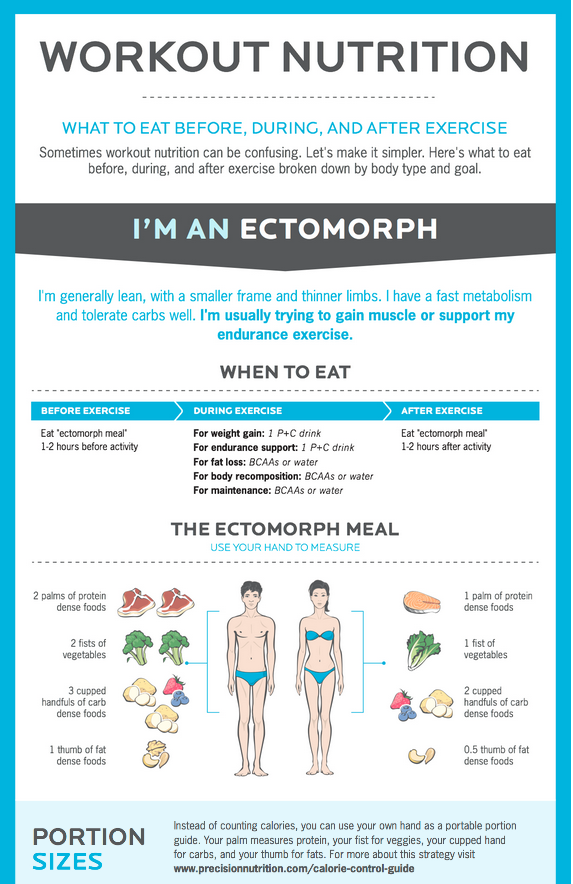
It is based both on your body type (which is a general proxy for genetics, metabolism and carb tolerance) as well as your goals (which tends to cover your activity levels). Now clearly this can’t be entirely comprehensive, but it does give you a fantastic starting point for how to eat around your training and competition to give you the best results possible.
Go here to see the full infographic.
We also provide a fully printable version of the infographic to boot!
Before I take off to Winnipeg for the weekend (I am presenting at the Canadian Athletic Therapists Association 48th National Conference), I wanted to also let you know that Mike Robertson’s fantastic Bulletproof Athlete is $50 off until midnight this Sunday.
I don’t endorse too many products, but Mike consistently puts out top-notch content, and this product is his best yet.
In case you’re unfamiliar with the product, here’s a brief overview of what you’ll find in the Bulletproof Athlete training system:
- 16-weeks of done-for-you training programs. Mike has written all of your workouts for the next 16-weeks. All you have to do is show up and train!
- 3 Programs for 1 Price! This is not a one-size-fits-all training program, so he created three workouts that you can choose from to determine which is best for you given your needs, goals, and time available to train.
- 160+ Exercises in the Video Database. Mike also coaches and cues every exercise in the program to make sure you’re doing things right. No guessing on how to perform movements – just follow along and you’re good to go!
- Weekly Nutrition and Recovery challenges. Every week you get a nutrition and recovery goal to help you build solid habits. After all, it’s not how hard you train, it’s how fast you recover that’s important!
Filed under: General Health, Nutrition, Training, Weight Loss, Youth Training
A few months ago I wrote a somewhat controversial article for Precision Nutrition entitled Carb controversy: Why low-carb diets have got it all wrong.
The purpose of the article was to show that people’s carbohydrate needs vary depending on several factors, most importantly your activity level.
Many took the article to be bashing a low or lower carb approach, which it really was not. The title might make it seem that way, but the piece itself made it clear that there is a time and a place for a low carb approach. It’s just not all the time, for everyone.
In fact, here is how I think people’s carb needs fall:
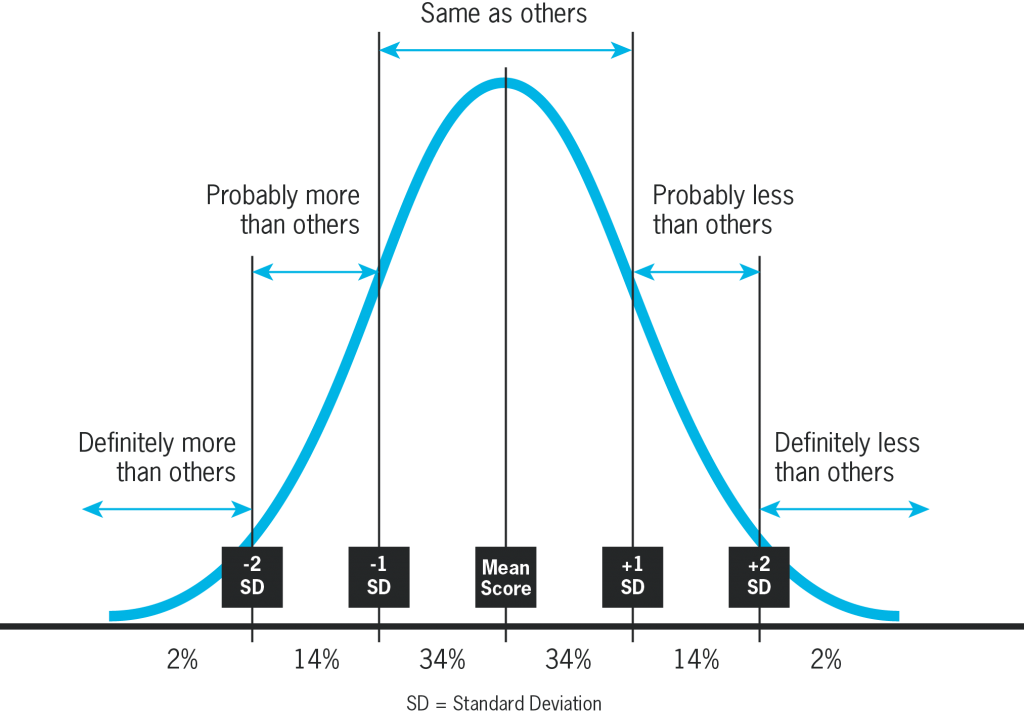
As you can see, most people would do best with a more moderate approach, as it provides:
- ample protein and fat to meet needs and prevent deficiencies;
- adequate carbohydrates to meet needs and prevent problems of inadequate intake (testosterone dropping, cortisol rising, etc); and,
- the greatest flexibility and freedom in food and meal choices, allowing for the greatest long-term consistency (the real key to sustained success).
To me, there are 3 very distinct populations that I was speaking to with this piece:
1. The general population (of which about 70% tends to be overweight).
2. The fitness crowd.
3. Insulin resistant and/or sedentary individuals.
The goals of the general population tend to be fairly modest. They often just want practical and reasonable approaches to help them find a sustainable path to their goals. The approach I provided will do just that.
The fitness crowd tends to be a little carb-shy, much to their detriment. It is something that the Paleo/Crossfit crowd has discovered. They have been recommending people up their intake of carbs lately (generally from things like sweet potatoes) as they have discovered that long-term intense training combined with a low carb diet generally does not turn out well. People in the fitness industry, or who just love fitness, should match their carb intake to their genetics, goals and activity levels. They might be surprised what they find when they do.
Insulin resistant and/or sedentary individuals would do better with a reduced carbohydrate intake. Probably in that 1 standard deviation less than the average. In this case, the average carbohydrate intake that I was advocating for was only about 40% of calories. Assuming you eat about 4 times per day, this equates to ~2 cupped handfuls of carbs for men and ~1 cupped handful of carbs for women per meal. We generally recommend that insulin resistant and/or sedentary individuals cut carbs back to about 25% of calories. This equates to ~1 cupped handful of carbs for men and ~0.5 cupped handful of carbs for women per meal. People who are insulin resistant simply do not handle carbs well. And people who are sedentary simply do not need as many since they are not as active.
To put the final nail in the coffin, here are a few studies you may find interesting.
Overfeed study of fat vs carbs. They actually found overfeeding of fat to lead to greater fat accumulation than overfeeding of carbs – http://www.ncbi.nlm.nih.gov/pubmed/7598063
Overfeeding of fat vs carbs #2. No significant differences were found between eating 1200 excess fat or carb calories – http://www.ncbi.nlm.nih.gov/pubmed/11029975
And a review study that ultimately concluded that a moderate approach is generally the best approach to start most people on – http://www.ncbi.nlm.nih.gov/pubmed/15867892
And finally, a cool new site I have come across provides some fantastic information. I have no idea whose site it is, but their take on the low carb/high fat vs. high carb/low fat debate was fantastic and thoroughly referenced – http://fitnessrealitycheck.com/2014/04/30/high-carblow-fat-vs-low-carbhigh-fat-the-debate-to-end-all-debates/
I hope that provides a little clarity on the topic for everybody.
And if you pick up a copy of my Nutrition Guide to Kevin Neeld’s new Ultimate Hockey Transformation, you will now have an even better idea of why I make the carbohydrate recommendations that I do.
In this new program Kevin provides incredible in- and off-season programs for players at the U14, U16, U18, and Junior/College levels. He also provides a comprehensive video database of every exercise in the program. Along with a great manual describing why the programs are designed the way they are and exactly how to use/adjust them based on time, space, equipment, etc. It has everything you would ever need to make yourself into the best hockey player you can be.

Filed under: General Health, Nutrition, Training, Youth Training
I had the pleasure to write the Nutrition Guide to Kevin Neeld’s new Ultimate Hockey Transformation.
Ultimate Hockey Transformation is the follow-up training program series to Ultimate Hockey Training, and features year-round hockey-specific off-ice training programs for players at the U-14 age level and above. The Ultimate Hockey Transformation system includes:
- In- and off-season training programs for players at the U-14, U-16, U-18, and Junior/College levels totaling 120 weeks of programming!
- 228 high quality videos demonstrating how to perform every exercise in the program with perfect technique
- A 65-page manual outlining everything you need to know to successfully use the Ultimate Hockey Transformation system!
- Specific warm-ups, corrective exercise, and cooldowns to help you maximize your training preparedness and recovery
- A Performance Profiling Sheet so you can track your progress over time
- The UHT Recovery Monitoring Log so you can prevent overtraining before it occurs!
Simply, following the RIGHT training program can completely alter the course of your career. Propel your game to the next level by following training programs proven to deliver game-changing results!
Simply choose the Pro Package and you also get access to my brand new Nutrition Guide, which is unlike anything I have ever written. In this Nutrition Guide I take an entirely new and improved approach for athletes to improve their nutrition and boost their health, body composition, and performance.
Check it out ===>>> Ultimate Hockey Transformation.
Filed under: General Health, Nutrition
Bulletproof Coffee introduced the world to “coffee hacking” and the novelty of butter in one’s morning brew. As a result, it’s become something of an internet sensation. People are talking about it. People are trying it. Many even claim it works wonders for them.
But what is it about this magical concoction that has people pimping their cup of joe? More importantly, do the results actually match the hype?
To find out the answers, check out this piece I just wrote for PN that delves into the research, the clinical outcomes, and my own personal experiment with Bulletproof Coffee
===>>>http://www.precisionnutrition.com/bulletproof-coffee
On a related note, I wanted share a cool coffee tip with you.
As you may or may not know, you should wash your coffee maker on a semi-regular basis – say every 3-4 months. I usually recommend people run a pot of white vinegar through their machine, followed by 3-4 pots of water to remove any vinegar remnants.
The vinegar will kill any mold or mildew growing in your machine, as it is haven for them due to the moist and enclosed conditions.
However, it has recently come to my attention that this may not be enough. A biofilm often accumulates in coffee makers, preventing the vinegar from reaching the bacteria underneath. The best approach actually appears to be to use a stiff-bristle brush to scrub the biofilm, and break it down. Then put the pot of vinegar through, so it can do its work on the mold and mildew. Followed by the 3-4 pots of water.
Filed under: General Health, Nutrition
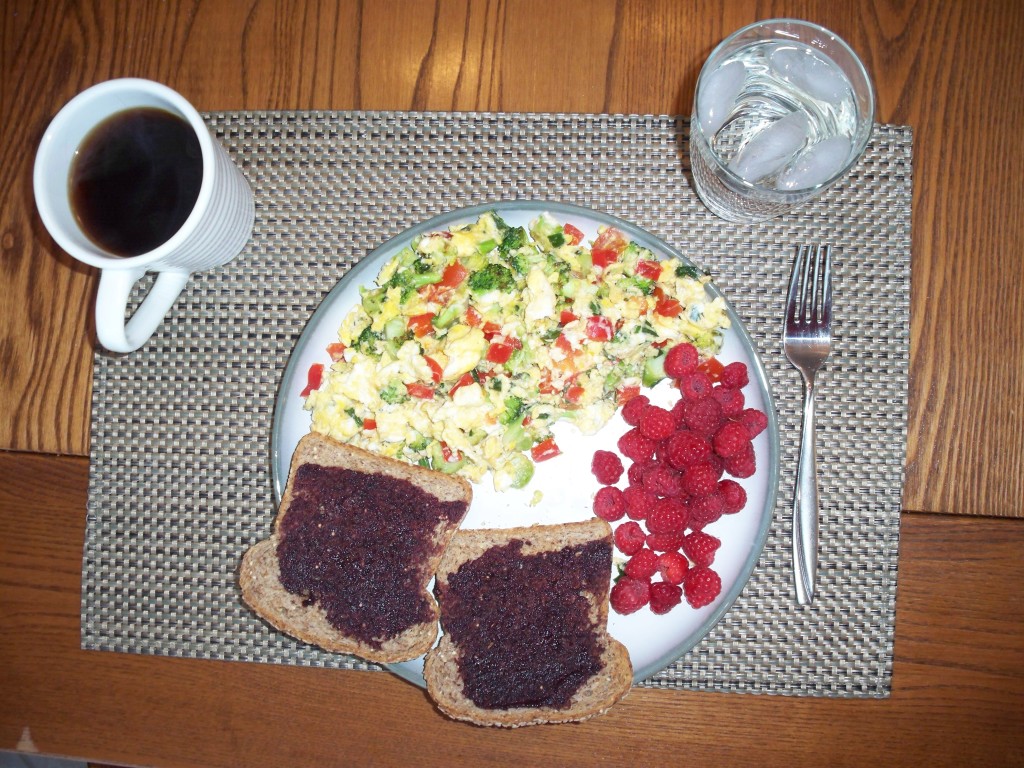
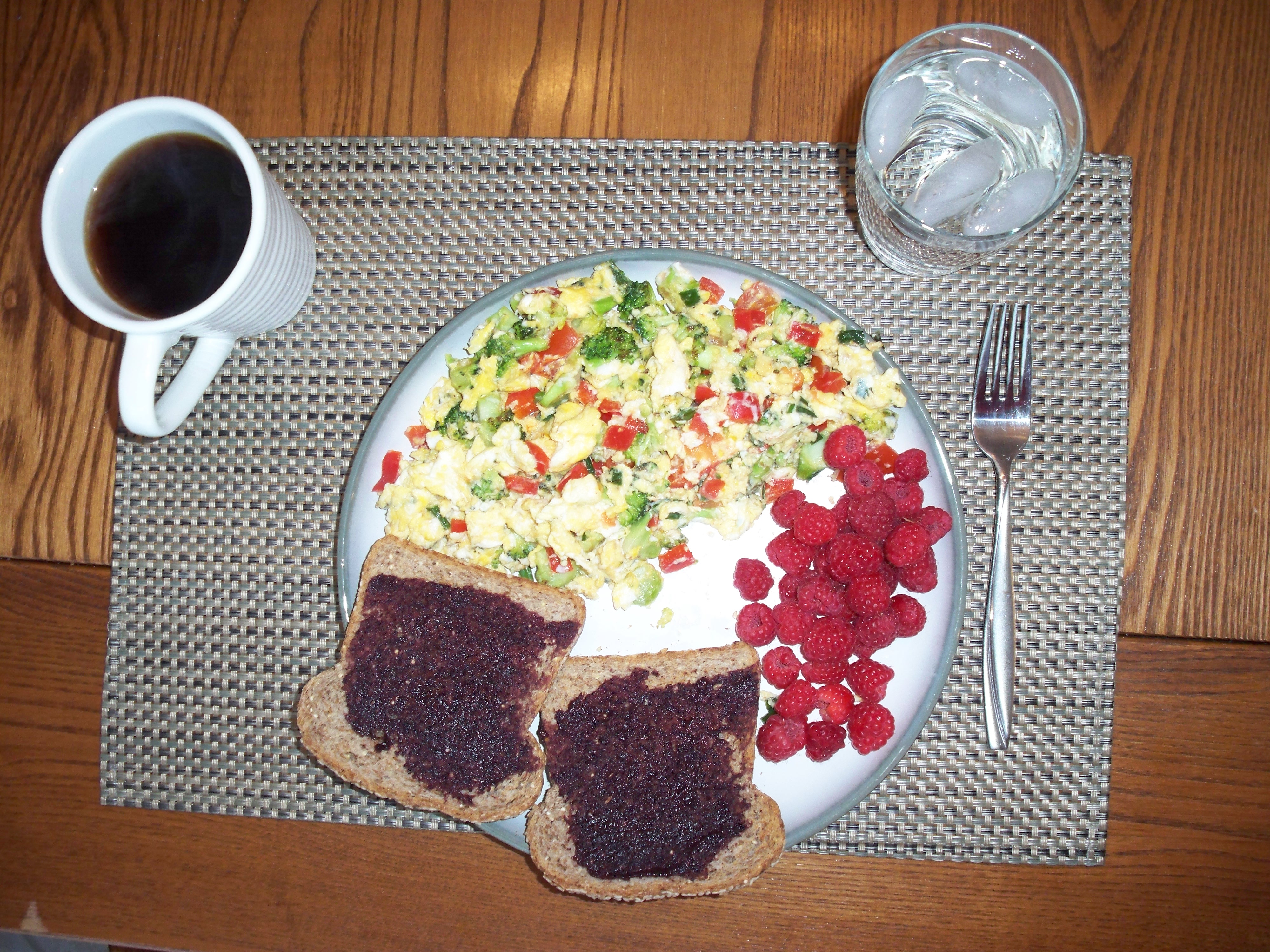
It has been a long time since I published a Day In The Life piece. These were always some of my most popular posts, and since my nutrition has evolved over time, I thought it was only time to post a new one. These were candid pictures of meals that I eat regularly. Nothing staged or added for effect. My breakfast, shake and lunch are pretty standard and don’t change much. Dinner time has the most variety in general (and they tend to be meals that my almost 3 year old daughter can eat, so our customary salad is out for now).
But before I get into that I wanted to share something else that is pretty cool. Dr. John Berardi, or JB, as he’s known around PN, was nominated for Men’s Health “Ultimate Guy” contest.
According to the website:
“Men’s Health and Kenneth Cole are searching for “The Ultimate Men’s Health Guy” to appear on the COVER of the November issue. This guy is physically fit, confident, stylish, career driven and a pillar of his community…the voting will help us select winners in four categories: Most Physically Fit, Most Healthy, Most Giving, and Most Successful.”
He had to upload 3 photos and 4 short 100-word essays about himself, which you can see HERE.
If you think he is worthy of nomination, it would be fantastic if you gave him your vote. Just click the link above, hit “Vote,” and follow the prompts. Takes 2 seconds.
JB is an awesome boss, and a better friend, so I encourage you all to check it out and see what you think.
Back to nutrition.
Since working for PN my eating habits have mildly changed over time. These days I eat even more vegetables than I used to, and I actually have a more linear intake. Meaning I don’t intentionally eat more on some days than on others. I just prefer the simplicity and consistency, and it flat out works for me.
My intake tends to follow our hand-sized portion meal guidelines that we teach at PN (assuming you eat 4 meals per day):
- 2 palms of protein
- 2 fists of veggies
- 2 cupped handfuls of carbs
- 2 thumbs of healthy fats
Wake @ 5:00am
Breakfast @ 6:00am
- 5 whole eggs (salted)
- a bunch of mixed veggies (broccoli, peppers, scallions, tomatoes)
- 2 Ezekiel toast (with locally made wild blueberry spread)
- 1 handful raspberries (usually a banana, but we were out)
- ~1/2 tbsp Kerrygold butter for eggs
- 10 oz coffee
- 1 glass water
- multivitamin, curcumin, probiotic, and vitamin D (vitamin D only in non-summer months – see here and here for my supplement recommendations)
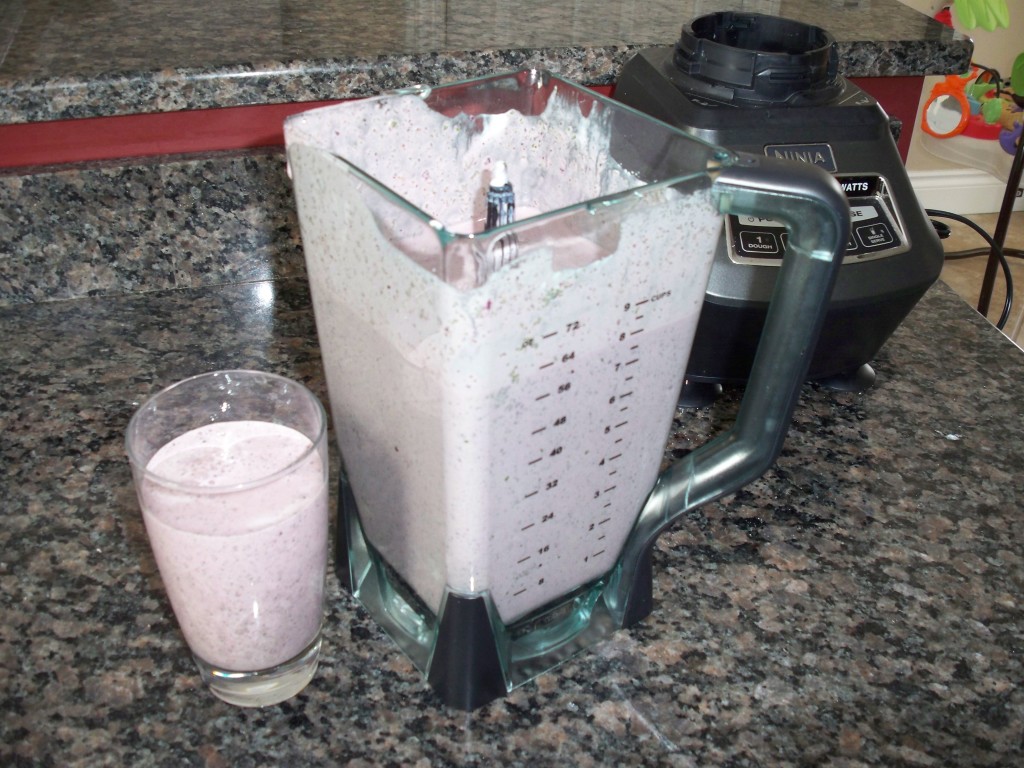
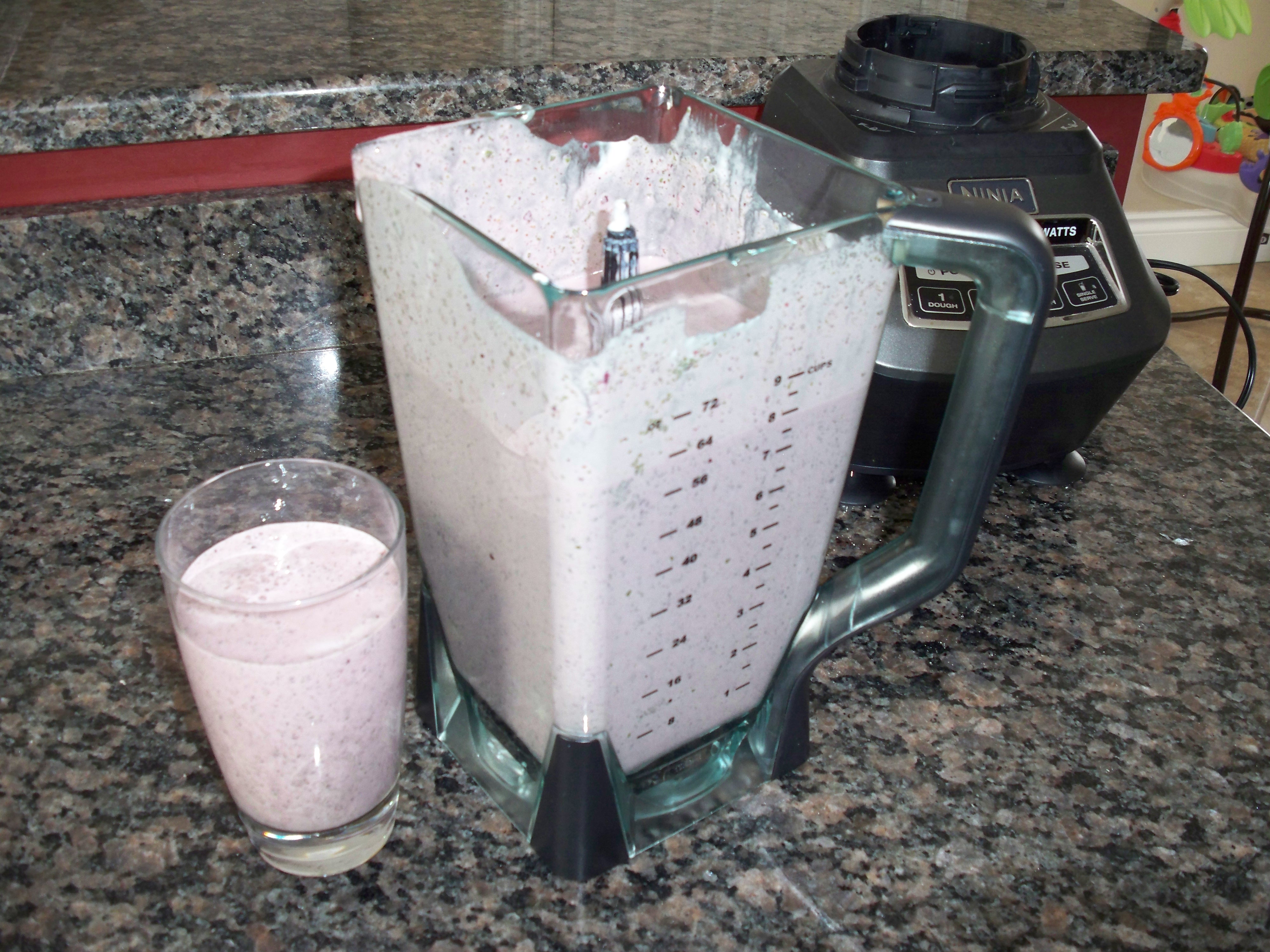
Super Smoothie @ 10:00am
- 12-16 oz water
- 2 scoops vanilla or strawberry protein powder
- 2 handfuls of baby spinach
- 1 handful frozen blueberries
- 1 handful frozen strawberries
- ~1 tbsp chia seeds
- ~2 cups Stonyfield whole fat plain yogurt (1/2 container)
- 2 Athletic Greens fish oil pills
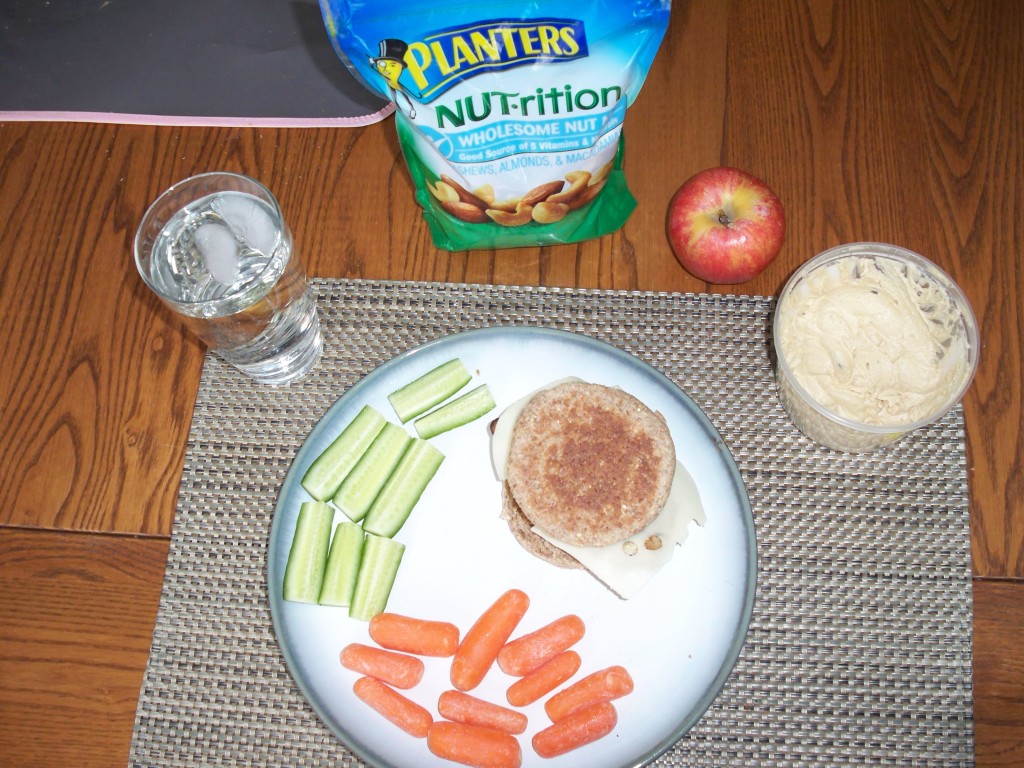
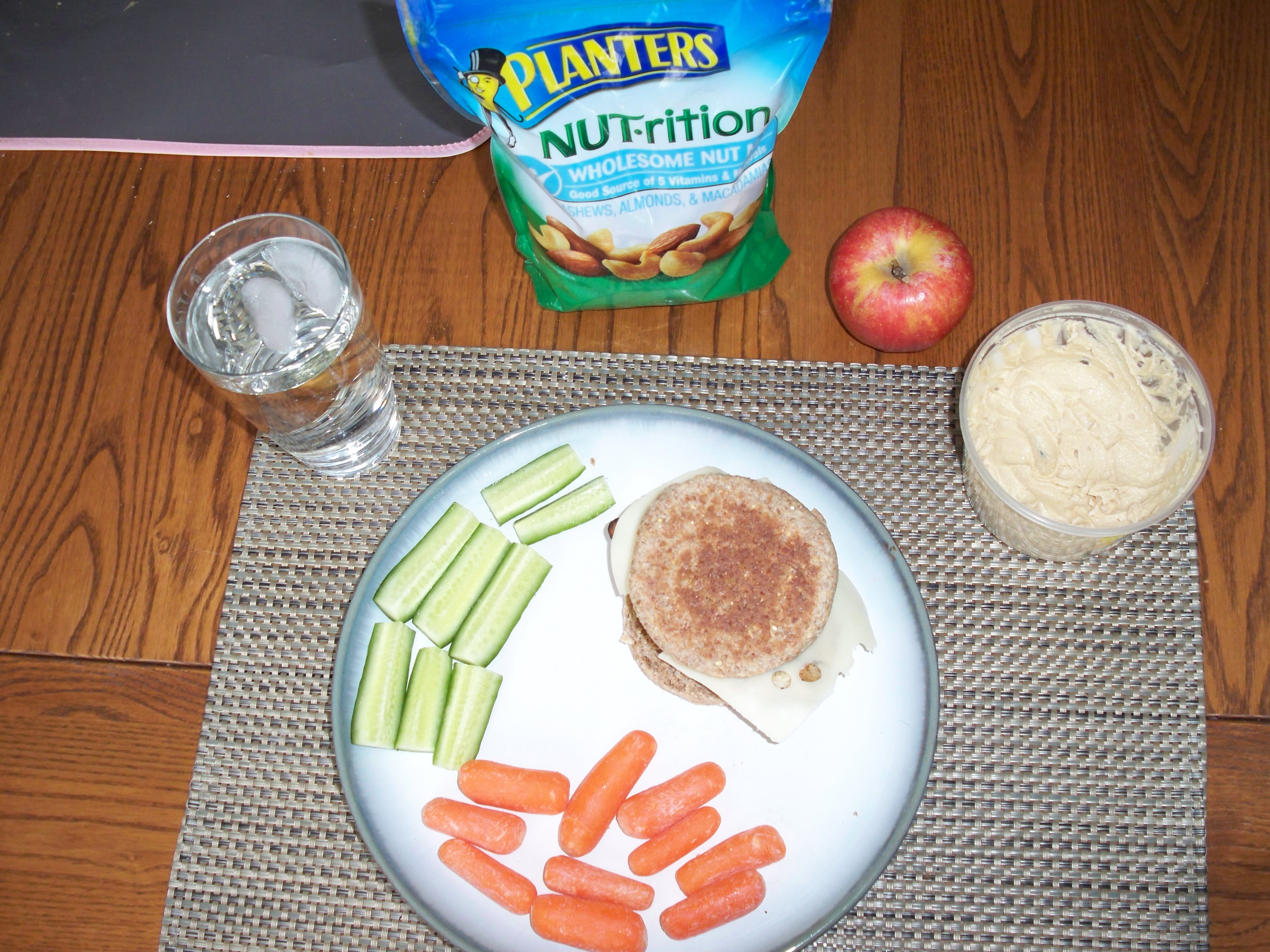
Lunch @ 2:00pm
- 1 Ezekiel English muffin
- 1/4 of an avocado
- some dijon mustard
- 1 chicken breast
- 1 slice swiss cheese
- 1 gourmet cucumber, sliced and salted
- 10 baby carrots with a little hummus
- 1/2 oz mixed nuts
- 1 apple
- 2 glasses of water
Dinner @ 6:00pm
- ~8 oz haddock
- some Ezekiel bread crumbs and butter
- ~1 handful of mashed potatoes, salted
- ~2 fists of asparagus, seasoned to taste
- ~1/2 tbsp extra virgin olive oil for asparagus
- 1 glass red wine (yes I realize it’s in a white wine glass)
- 2 glasses water
- 1 serving dried fruit and 3 squares of 88% cacao dark chocolate for dessert


I would love to hear your thoughts, questions and comments!
Filed under: General Health, Nutrition
As I have stated in the past, people often get suckered into “if some is good, more must be better” mentality. Especially when it comes to supplements. This is often due to supplement companies and their marketing tactics, but it is also due to experts in the health and fitness world looking for something cool and exciting to promote.
We see this all the time.
“Well if 5g of fish oil is good, then 15g must be awesome!”
“Vitamin D has lots of health benefits, and I don’t want to be deficient, so I should ‘optimize’ my levels with 5,000IU.”
Unfortunately, these approaches are inherently flawed. And often lead to more harm than good.
With that in mind, here are two great articles that delve into why high-dosing with vitamin D might not be the best idea, and what an appropriate dosage range is for most people. They provide an objective and balanced big-picture view.
Is your vitamin D supplement helping or hurting you? – Precision Nutrition
The Truth about Vitamin D – Examine.com
Filed under: General Health, Nutrition, Training
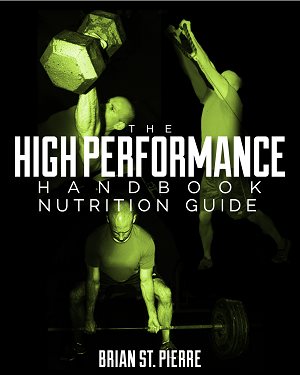
What truly sets my High Performance Handbook Nutrition Guide apart from nearly any other product is the 37 pages I devote to the Health and Lifestyle Section. We know how important proper training and nutrition are to getting the performance, health and body composition you want. However, what often goes under-appreciated are the other factors in your life that can have just as massive an impact on your results, namely: stress, sleep, and our environment.
These variables can affect every bodily system, and not taking them into account will prevent your from achieving the results you desire. Still don’t believe me? Check out these excerpts from the Health and Lifestyle Section, and see if whet’s your appetite for more!
Sleep: Why We Need It, and How To Get It
We all know that sleep is important for our health. However, many of us (if not most of us) tend to act as if that just doesn’t hold true for ourselves. We seem to believe that we can get away with it. While you may blame “work” or simply being “busy,” research clearly and consistently shows that people miss out on sleep due to something called “voluntary bedtime delay.” Basically, we stay up late because we want to, often watching “Keeping Up With the Kardashians” re-runs, or mindlessly reading useless info on Facebook. No matter the reason, it is unlikely to actually be more important than logging sufficient and quality shut-eye.
In the big picture, sleep is just as important as nutrition and exercise when it comes to improving your health, performance, and body composition.
The average adult gets about 6 hours and 40 minutes of sleep per night. In fact, about 30% of the population gets fewer than six hours per night. Women tend to sleep a bit more than men, and people who carry high amounts of body fat tend to sleep less than those with a normal body fat level. Studies suggest that people who sleep fewer than six hours per night gain almost twice as much weight over a 6-year period as people who sleep 7-8 hours per night.
Excessive sleep isn’t necessarily better, either; those who sleep more than nine hours per night have similar body composition outcomes as those who sleep less than six hours.
There is a fairly strong body of research showing that lack of sleep increases risk of many conditions, including:
- altered food intake, leading to a decrease in satiety hormones and an increase in hunger hormones, as well as an increase in pleasure response to food, causing increased food intake
- altered glucose tolerance, insulin resistance & diabetes
- inflammation
- obesity
- disruption of cortisol levels and rhythm
- decrease in testosterone and increase in estrogen
- loss of lean mass, including muscle, bone and organs (such as your brain)
- decrease in thyroid stimulating hormone
- heart attack
- stroke
It is important to note that sleep debt is cumulative, meaning that the more nights with less sleep, the greater likelihood of negative effects taking place. The good news is that you can catch up with just a few consecutive nights of adequate sleep. Experts hypothesize that each hour of sleep debt needs to be repaid eventually, so don’t let it add up.
Okay, so we know lack of sleep is a problem. As researchers have noted regarding sleep debt: “these alterations are similar to those observed during aging and sometimes during depression.” Awesome.
Fortunately, research also shows that simply getting adequate sleep can quickly right the ship on these issues. So, how do we go about creating an environment conducive to optimal sleep? Well, here is a step-by-step guide on getting sufficient, and restorative, sleep.
Environmental Carcinogens
Hundreds of chemicals are capable of inducing cancer in humans or animals after prolonged or excessive exposure. Chemically-induced cancer generally develops many years after exposure to a toxic agent. For example, a latency period of as much as thirty years has been observed between exposure to asbestos and incidence of lung cancer.
In 2010, the President’s Cancer Panel Report declared that “The true burden of environmentally induced cancers has been grossly underestimated…this group of carcinogens has not been addressed adequately by the National Cancer Program. The American people – even before they are born – are bombarded continually with myriad combinations of these dangerous exposures.”
According to the report, there are about 80,000 chemicals in commercial use in the United States, but only about 2% of those have been assessed for their safety. The report singles out radon, formaldehyde, and benzene as major environmental toxins that are causing cancer.
Radon: What is it, Where is it, and How do I Get Less of it?
Radon is a colorless, odorless, radioactive gas. It comes from the natural decay of uranium or thorium found in nearly all soils, and it typically moves up through the ground and into the home through cracks in floors, walls, and foundations. It can also be released from building materials or from well water. Radon breaks down quickly, giving off radioactive particles. Long-term exposure to these particles can lead to lung cancer.
The U.S. Environmental Protection Agency estimates that radon causes about 21,000 lung cancer deaths in the United States each year, with 1 in 20 U.S. homes having elevated levels. Radon exposure is the second leading cause of lung cancer after smoking, and the leading cause among non-smokers.
Testing for radon and taking the necessary steps to lower radon levels in homes that have elevated radon can prevent many radon-related lung cancer deaths. This process is known as radon mitigation. Getting your home air and water (if you are on a well) checked is simple and inexpensive – and can save your life and the lives of your loved ones.
Formaldehyde: What is it, Where is it, and How do I Get Less of it?
Formaldehyde is a colorless, flammable, strong-smelling chemical that is used in building materials and to produce many household products. It also occurs naturally in the environment and is produced in small amounts by most living organisms as part of normal metabolic processes. Formaldehyde has been classified as a known human carcinogen by several government agencies.
Formaldehyde sources in the home include pressed-wood products such as particleboard and plywood, glues and adhesives, permanent press fabrics, cigarette smoke, and fuel-burning appliances. In addition, formaldehyde is commonly used as an industrial fungicide, germicide, and disinfectant, and as a preservative in mortuaries and medical laboratories.
Research studies of workers exposed to formaldehyde have suggested an association between formaldehyde exposure and several cancers, including nasopharyngeal cancer and leukemia. Rats exposed to formaldehyde fumes developed nasal cancer.
The EPA recommends the use of “exterior-grade” pressed-wood products to limit formaldehyde exposure in the home. Ensuring adequate ventilation, moderate temperatures, appropriate humidity levels (through the use of air conditioners and dehumidifiers), and the use of indoor plants can also reduce formaldehyde levels in homes.
Benzene: What is it, Where is it, and How do I Get Less of it?
Benzene is a colorless liquid that evaporates quickly. It is naturally found in crude oil and is a basic petrochemical. Unfortunately, it is also a known human carcinogen. Benzene is found in tobacco smoke, gasoline (and therefore car exhaust), pesticides, synthetic fibers, plastics, inks, oils, and detergents. Benzene has also been found in soft drinks (since removed or reformulated), and dryer emissions from scented laundry detergent and dryer sheets.
About 50% of the benzene exposure in the US results from smoking tobacco or from second-hand smoke. Substantial amounts of data link benzene to aplastic anemia, bone marrow abnormalities and leukemia – particularly acute myeloid leukemia (AML) and acute non-lymphocytic leukemia (ANLL).
To decrease benzene exposure, don’t smoke, and try to avoid second hand smoke. Ensure adequate ventilation in your home, use non-scented laundry detergents and dryer sheets, and keep plants in the home.
Household Cleaning and Personal Care Products
Cleaning supplies come in all shapes and sizes, with an infinite amount of marketing and advertising to promote them. It is hard, if not downright impossible, to know today what you really need to clean your home. Which chemicals may do more harm than good? Which companies are actually trying to marry safety and effectiveness, not just worrying about their bottom line and shareholder profits?
In addition, personal care products and cosmetics are also ubiquitous in society today. We all use them to look better, smell better, and feel better about our presentation to the world.
Unfortunately, many of these products are known contributors to poor air quality and various other health problems. Many ingredients in personal care and household cleaning products are known to harm or irritate the lungs and trigger asthma, even in healthy people. Some products even contain ingredients that are known endocrine disruptors and are linked to cancer and reproductive abnormalities. They also pose a great threat to aquatic life as they eventually end up in waterways.
You can forget trying to read the labels to discern their safety, though. Not only do labels require a PhD in advanced chemistry, but federal law in the U.S. allows companies to leave many chemicals off labels. These acceptable omissions include nano-materials, ingredients considered trade secrets, and the ingredients of “fragrance.” Instead, they use of terms like “cleaning agent” or “quaternary ammonium compound” for anything they decide they don’t want to list.
Your best bet is to check for warnings and the ingredients I will cover next. Don’t be fooled by marketing claims.
You might think that this is a hyperbole or tree-hugging paranoia and that your government would not allow such dangerous chemicals to be so widely used, and to not require them to be listed. You would be wrong.
In the U.S., companies that make cleaning or personal care products may use nearly any ingredient or raw material in their product formulations without government review or approval. They are not required to disclose all of their ingredients on the label. The Toxic Substances Control Act of 1976 laid out what the EPA could do to regulate the industry: essentially, not much.
If a product or chemical is deemed to pose an unreasonable risk of injury, companies can voluntarily recall a product. These recalls tend to focus on immediate injury risk such as chemical burns or fire hazards, not subtle problems with chronic implications, such as asthma or cancer. Companies do not have to prove chemicals are safe before putting them into cleaning products. In fact, in its more than 30-year history, the Cosmetic Ingredient Review (the cosmetic industry’s safety panel) has assessed fewer than 20% of cosmetics ingredients and found only 11 ingredients or chemical groups to be unsafe.
The chemical industry as a whole is largely unregulated. There are over 80,000 chemicals in use in the U.S., and the vast majority have never been assessed for safety by federal regulators.
“There are too many chemicals and not enough data,” said Kevin Crofton, EPA research toxicologist. “There are literally thousands and thousands of chemicals in use for which we really don’t have much information at all.”
In addition the terms “hypoallergenic” or “gentle” do not necessarily indicate a product is safer, or is even those things. A company can use a claim like “hypoallergenic” to mean anything, or nothing at all. Remarkably, the Environmental Working Group conducted an assessment of over 1,700 body care products and found that 81% of those marked “hypoallergenic” or “gentle” contained allergens or skin and eye irritants!
In the U.S., there are more than 500 products sold that contain ingredients banned in cosmetics in Japan, Canada, or the European Union. The FDA also has little authority over cosmetic companies, cannot recall harmful cosmetics, and relies on companies to report injuries from their products a voluntary basis.
—————————————————-
Pick up your copy of The High Performance Handbook today before the introductory price expires Saturday at midnight!
To sweeten the deal, Eric has decided that everyone who purchases a copy (and who has purchased already) will automatically be entered to win one of these prizes:
1. ANOTHER all-expenses-paid trip to get evaluated and train at Cressey Performance. Again, Eric will cover all your travel and accomodations expenses, and the training will be on the house.
2. One of three free copies of his “Art of the Deload” e-Book.
3. One of three free online accesses to Mike Reinold and Eric’s new “Functional Stability Training of the Lower Body” online resource!
There are only 36 hours left, so don’t miss out!
Filed under: General Health, Nutrition, Training
With the release of the High Performance Handbook Nutrition Guide just 2 days ago, the positive feedback is already rolling in!
Just this morning, Shane made this comment on my most recent post:
“The nutrition section was great! Pretty much worth the price of the entire bundle on its own 
Found some of the lesser-known stuff (like the section on beer) fascinating.”
With that in mind, you might be wondering what else you will learn if you pick up your own copy of The High Performance Handbook (besides the finer details of beer!)? Well here are a few excerpts from the Nutrition Explanation Section of the book to give you a small taste of the more than 200 pages of content I provide:
Dairy and Diabetes Risk
With little fanfare, a study recently came out by Dr. Dariush Mozaffarian and colleagues. Why so little fanfare, you ask? It’s because the study suggests that dairy fat may actually protect against diabetes, and that goes against conventional wisdom and government recommendations.
Dr. Mozaffarian and company collected two measures of dairy fat intake in 3,736 Americans. They took six 24-hour dietary recall questionnaires, as well as assessing blood levels of trans-palmitoleate. Trans-palmitoleate comes almost exclusively from dairy fat and red meat fat, and therefore it reflects the intakes of these foods. Dairy provided most of the trans-palmitoleate fatty acid in this study.
Adjustments were made for confounding factors, and trans-palmitoleate levels were associated with a smaller waist circumference, higher HDL cholesterol, lower serum triglycerides, lower C-reactive protein (a marker of inflammation), lower fasting insulin and lower calculated insulin resistance. In addition, people who had the highest levels of trans-palmitoleate had 1/3 the risk of developing diabetes over the 3-year study period.
Again, it is important to note that trans-palmitoleate is a fatty acid, and so is only provided in significant amounts by whole fat dairy, not from low-fat or fat-free versions. The investigators also noted that “greater whole-fat dairy consumption was associated with lower risk for diabetes.” This is an important distinction, as it wasn’t just trans-palmitoleate levels that were associated with the decreased risk, but the actual consumption of whole-fat dairy itself that seemingly provides the benefit.
Here’s another nice quote from the authors: “Our findings support potential metabolic benefits of dairy consumption and suggest that trans-palmitoleate may mediate these effects. They also suggest that efforts to promote exclusive consumption of low-fat and non-fat dairy products, which would lower population exposure to trans-palmitoleate, may be premature until the mediators of the health effects of dairy consumption are better established.”
While it is certainly possible that trans-palmitoleate is mediating a lot of these positive health outcomes that were associated with it, in all reality, it only makes up a tiny fraction of the fat content of milk. I tend to believe that instead, it is more of a marker of dairy fat intake, with the benefits more likely coming from the other elements contained in dairy fat – CLA, vitamin K2, butyric acid, vitamin D – in addition to the trans-palmitoleate.
The Importance of Particle Number
Moving beyond particle size, there is emerging research that the number one risk factor for cardiovascular disease is actually particle number, in particular the number of LDL particles you have. This research even seems to indicate that even if you have large and fluffy LDL, if you have too many of them, you are at an increased risk of heart disease.
You might be wondering, “Why?” The full details are beyond the scope of this piece, but basically, it is a probabilities game. The more particles you have (not the amount of cholesterol in the particles, and maybe not even the size of the particles), the more likely the chance that one of those LDL particles is going to penetrate into your arteries, beginning the whole atherosclerosis cascade that will eventually lead to heart disease.
Interestingly, this research shows that when particle numbers are taken into account, particle size no longer has a significant relationship with atherosclerosis. So, while some earlier research showed large and fluffy particles to be more benign, this may not necessarily be true. However, this research does seem to indicate that while those small and dense LDL particles may not be any more atherogenic, they are actually a marker for metabolic dysfunction, inflammation and insulin resistance, so they are still not a good thing.
To actually know the amount of LDL particles you have, you need to have an advanced blood lipid panel done. Not all of these panels show LDL particle number (LDL-P), but they will all likely show your apo-B number, which can be used as a proxy for LDL-P.
Unfortunately, you can have low LDL-C with high LDL-P (and therefore a high risk of heart disease), and low LDL-P with high LDL-C (and therefore a low risk of heart disease). They do not necessarily go hand-in-hand. So, you can have high LDL-C and be at low risk, and have low LDL-C and be at high risk. This is not what most doctors will believe, so you might have to show them the research referenced at the end of this book!
In fact, the research also seems to indicate that people with high LDL-P and low LDL-C are actually at the highest risk for heart disease and overall mortality. This risk is even higher than in people with high levels of each. This is because people with high LDL-P and low LDL-C tend to have small and dense LDL particles, which while possibly not a direct cause of heart disease, are at least a marker for metabolic dysfunction that further decreases health.
Intrigued?
Pick up your copy of The High Performance Handbook Gold Package and you get my Nutrition Guide in conjunction with Eric’s incredible resource, which is a truly unique training program and like nothing you have ever seen before…
First, unlike your typical cookie-cutter program, it doesn’t force you to do an exercise you can’t.
Second, it designs a program suitable to your needs – based on how you move, what your schedule allows, and what your goals are.
Third, it’s an entire system. Not just some manual that says “do this.” We give you an entire video database, how to modify exercises, and much more.
Filed under: General Health, Nutrition, Training
Almost exactly six years ago, on Halloween of 2007, I moved down to Massachusetts to begin an unpaid internship at a brand new, and tiny, training facility in Hudson. My only source of income was going to be as a part-time personal trainer at a Boston Sports Club in the city.
My parents thought I was nuts. But I knew I was onto something.
That something was Eric Cressey.
I had read Eric’s work on t-nation and various other sites while in college, so I knew how bright and driven he was. And when I visited Cressey Performance for the first time, you could see that intelligence and work ethic written all over him. This was a guy I was willing to trust, to learn from, and for whom I would be willing to work for free, just to have that opportunity.
And it was worth every penny. I went on to become CP’s first employee, became the Head Nutritionist, and had an integral role in choosing and training subsequent interns. It was an awesome job. A job that I stuck with even as I moved to Connecticut when I got married, and drove 1:15 each way. I put over 40,000 miles on my car that year, just driving to and from CP.
And I would do it all again.
Fortunately, you don’t have to work as an unpaid intern or put 40,000 miles on your car to absorb the knowledge and training tools of Eric Cressey. Eric just released his new resource, The High Performance Handbook, and I would encourage you to put your faith in him, as I did, and give his program a shot.
This resource is about as thorough as they come; it’s almost like a choose-your-own adventure book for people looking to achieve their training goals. The programs start out with a quick and easy (yet effective) assessments so that you can identify a few important things that must be taken into account to effectively individualize your 16-week training program. And best of all, these programs are modifiable for anyone – they are not geared to only advanced trainees or elite athletes. They can be adjusted and modified to any skill level or training experience.
The High Performance Handbook also includes over 200 incredibly detailed coaching videos; it’s like being at CP with Eric where he coaches you through the drills just like you’re one of his professional athletes or clients.
Not only is this resource incredible in and of itself, bur Eric is so excited to finally launch it that he is is giving away some awesome free gifts to anyone who purchases the product today (Tuesday). Most notably, you’ll be entered to win an all-expenses-paid trip to get evaluated and train for two days at Eric’s facility, Cressey Performance!
Beyond the grand prize you could also win some free New Balance Minimum sneakers, a CP t-shirt or receive access to Eric’s 25 minute video, 7 Ways to Progress a Pushup. Pretty sweet, but you have to hurry!
Also, while you’re at it, I’d highly recommend you pick up the Gold Package of The High Performance Handbook, as it includes an awesome nutrition and lifestyle guide written by some really smart and good looking guy, ME :). In my humble opinion, this nutrition guide is the most comprehensive nutrition and healthy lifestyle resource available. I provide 50 Recommended Recipes, 14 Example Menus, explanations on how to calculate your calorie, protein, carb and fat needs (and why they are all important), and so much more. All told there are more than 200 pages of content!
Get your High Performance Handbook HERE.



Posted on July 1st, 2014 by Brian St. Pierre
No Comments »